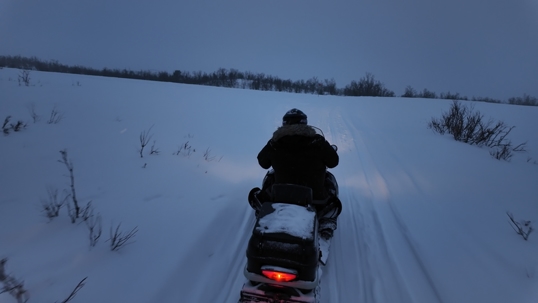
Winter in Alaska offers breathtaking landscapes and thrilling adventures, but it also comes with risks. Snowmobile accidents can leave you injured, overwhelmed, and unsure about what steps to take next. The pain, medical bills, and uncertainty about your recovery can feel crushing, especially when you’re trying to care for yourself or your family.
It’s normal to feel scared, frustrated, or even angry after an accident. You might be asking yourself: Who’s responsible? Can I get help? Will I ever recover what I’ve lost? These questions are valid, and it’s okay not to have all the answers right now. Understanding your rights and who may be responsible for your injuries is an important first step toward regaining control and protecting yourself.
Common Causes of Snowmobile Accidents in Alaska
Snowmobile accidents can happen in a variety of ways. Learning the causes of these accidents can shed light on potential liability.
- Collisions with other snowmobiles or vehicles: Crowded trails or poor visibility can lead to crashes.
- Obstacles and natural hazards: Trees, rocks, and hidden ice patches can cause sudden accidents.
- Equipment failure: Malfunctioning brakes, steering, or throttle controls can lead to serious injuries.
- Operator error: Inexperience, excessive speed, or reckless maneuvers increase risk.
Winter conditions, such as deep snow, frozen lakes, and limited daylight, make accidents more frequent and sometimes more severe.
Who Could Be Legally Responsible?
Determining liability in a snowmobile accident can be complex. Multiple parties might share responsibility.
- Other snowmobile operators: If another rider was negligent or reckless, they may be partly or fully responsible.
- Landowners or resort operators: Private property owners have a duty to maintain safe trails and warn of hazards.
- Manufacturers: Defective snowmobiles or faulty parts may make the manufacturer liable under product liability laws.
- Government or local authorities: Public trails must be maintained; failure to address known dangers can sometimes result in liability.
An experienced personal injury attorney can help investigate all possible sources of responsibility and guide you through filing a claim.
Steps to Take After a Snowmobile Accident
Responding quickly after an accident can have a big impact on your legal options.
- Seek medical attention: Your health comes first. Even minor injuries should be documented.
- Document everything: Take photos of the scene, your injuries, and any property damage.
- Gather witness information: Names, contact details, and statements from anyone who saw the accident can help your case.
- Avoid admitting fault: Don’t make statements that could be interpreted as taking responsibility for the accident.
- Contact an attorney: A legal professional can help evaluate your case, negotiate with insurance companies, and protect your rights.
Understanding Compensation for Snowmobile Injuries
In Alaska, compensation depends on who is found legally responsible for the accident. Damages may include:
- Medical bills and ongoing care costs
- Lost wages and reduced earning capacity
- Pain and suffering or emotional distress
- Property damage
If multiple parties share fault, Alaska’s comparative negligence laws may reduce or limit compensation depending on each party’s responsibility.
Why Legal Guidance Matters
Navigating snowmobile accident claims alone can be overwhelming. Legal professionals can:
- Investigate accident causes and identify all liable parties
- Collect evidence to strengthen your claim
- Communicate with insurance companies on your behalf
- Help calculate fair compensation for your injuries and losses
Seeking help early ensures that deadlines are met and your rights are fully protected.
If you’ve been injured in a snowmobile accident, contact Ringstad Law Office, PC or call (907) 891-7201. Our team can guide you through your options and help protect your rights.